
5 reasons to drink tsipouro in Greece!

Tsipouro is a traditional Greek alcoholic drink that is often compared to raki or ouzo, though it has its own unique characteristics. It’s a strong distilled spirit made primarily from grape pomace (the remnants of grapes after they’ve been pressed for wine). It is considered one of Greece’s national drinks, with deep roots in Greek culture, particularly in the northern and central parts of the country.
Key Characteristics of Tsipouro:
Ingredients:
Grapes: Tsipouro is usually made from the leftover grape skins, seeds, and stems from winemaking, similar to grappa in Italy.
Some versions of tsipouro are made with wine or grape must (fresh grape juice).
In some regions, tsipouro is flavored with aniseed (like ouzo), but it can also be unflavored, allowing the grape flavor to shine through.
Alcohol Content:
Tsipouro typically has a high alcohol content, ranging from 40% to 45% ABV (alcohol by volume). The higher the ABV, the stronger the taste.
Distillation Process:
Tsipouro is distilled in small copper stills, and the distillation process can vary by region. Some producers do double distillation to refine the flavor and increase alcohol content.
Flavor:
Tsipouro has a bold, strong, and fiery flavor. Unflavored tsipouro offers a more earthy, grape-forward taste, while anise-flavored tsipouro is similar to ouzo with a distinct licorice-like flavor.
Regional Varieties:
Tsipouro from Thessaloniki: In northern Greece, particularly in Thessaloniki and its surrounding areas, Tsipouro is often unflavored or lightly flavored.
Tsipouro from Thessaly and Crete: In these regions, aniseed is commonly added to the distillation process, creating a flavor profile similar to ouzo.
Tsipouro from Epirus: Known for its full-bodied, unadulterated grape flavor and high quality.
How to Drink Tsipouro:
Traditional Serving: Tsipouro is usually served in small shots or small glasses (like a shot glass or small tumbler). It is often consumed neat or with ice.
Food Pairing: Tsipouro is typically enjoyed with meze (small appetizers or snacks). Common pairings include cheese, olives, grilled meats, and seafood. It’s especially popular during social gatherings and celebrations.
Chilled or Room Temperature: In many places, it’s served chilled, but some people prefer it at room temperature. The choice is a matter of personal preference.
Social Aspect: Tsipouro is often a drink associated with hospitality, and it’s common to drink it with friends or family while chatting and enjoying food. It’s a central part of Greek social life, especially during festivals and gatherings.
Tsipouro vs. Ouzo:
While both tsipouro and ouzo are anise-flavored spirits and share similarities, there are some key differences:
Base Ingredient: Tsipouro is made from grape pomace, whereas ouzo is made from grapes and other botanicals (aniseed, fennel, and other herbs).
Flavor Profile: Ouzo is more herbaceous and aromatic with a stronger aniseed flavor, while tsipouro, if unflavored, has a more grape-forward taste.
Production Region: Ouzo is typically produced in the Aegean region (especially on the island of Lesbos), while tsipouro is made throughout Greece, with particular popularity in the northern and central parts.
Tsipouro in Greek Culture:
Tsipouro has been a part of Greek culture for centuries, with its origins tracing back to ancient Greece, where it was likely made in the form of a grape-based brandy. In more recent times, tsipouro became a beloved drink in Greek villages and small towns, often associated with long, festive meals with friends and family.
Cultural Significance: Tsipouro is often served in celebrations and family gatherings and is seen as a drink of hospitality. It's a drink meant to be enjoyed in good company.
Festivals: Many regions in Greece celebrate local tsipouro distilleries and host tsipouro festivals where visitors can try different varieties of the spirit and experience traditional Greek music, dancing, and food.
Fun Fact:
There is a tradition called "Tsipouro and Meze", where the drink is paired with a variety of meze dishes, ranging from cheese, meats, pasta, and vegetables. It’s often a social ritual, especially in the winter months, when people gather to warm up with a few rounds of tsipouro.
Summary:
Tsipouro is a classic Greek spirit that’s strong, flavorful, and perfect for social occasions. It’s made from grape pomace, can be flavored with aniseed or enjoyed unflavored, and is most commonly served as part of a meze feast. Whether you enjoy it for its traditional grape taste or its aniseed twist, tsipouro offers a unique and authentic Greek drinking experience.
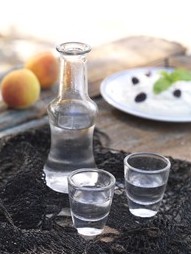
Tasting tsipouro in Greece is an experience that goes beyond just the drink itself—it's about immersing yourself in Greek culture, enjoying local traditions, and appreciating the craftsmanship of a spirit that has been part of the country's heritage for centuries. Here are 5 reasons why you should taste tsipouro in Greece:
1. Authentic Greek Tradition
-
Cultural Experience: Tsipouro isn’t just a drink; it’s a part of Greek culture. It has deep roots in the country’s rural traditions, particularly in the northern and central regions. By tasting tsipouro in Greece, you’re connecting with centuries-old customs and rituals that have been passed down through generations.
-
Distillation Process: Many local producers still use traditional methods of distilling tsipouro in small copper stills, often producing it in family-owned distilleries. Tasting it on its home turf allows you to experience the authenticity and craftsmanship behind the drink.
2. Pairing with Meze
-
Tsipouro & Meze: One of the best ways to enjoy tsipouro is with meze—small plates of food served alongside the drink. Meze includes an array of Greek appetizers such as cheese, olives, fresh bread, grilled meats, and seafood. The act of sharing food and drink with friends or family is a central part of Greek life, and tsipouro is often the drink of choice for such gatherings.
-
Perfect Pairing: Tsipouro’s bold, complex flavors, especially when unflavored, pair exceptionally well with traditional Greek fare. The drink enhances the flavors of the food, and vice versa, making the experience of tasting tsipouro in Greece a sensory journey.
3. Unique Regional Varieties
-
Diverse Flavors Across Greece: Tsipouro is made differently depending on the region, with various nuances in flavor based on local ingredients, distillation methods, and even the type of grapes used. For example:
-
In Thessaloniki, tsipouro is often unflavored, highlighting the taste of the grape pomace.
-
In Crete, it’s more commonly flavored with anise, making it similar to ouzo.
-
In Macedonia, they might even add herbs or spices for a unique twist.
-
-
Local Experience: Tasting tsipouro in its local setting allows you to experience these unique regional variations, giving you a taste of the diversity of Greece.
4. The Social Ritual
-
Greek Hospitality: Tsipouro is more than just a drink—it’s a way of bringing people together. In Greece, it’s common for friends and family to gather around a table, share a glass of tsipouro, and engage in lively conversation and storytelling. This tradition of hospitality is central to Greek culture.
-
Warmth and Friendship: When you taste tsipouro in Greece, you’re often welcomed with open arms by locals, who may invite you to join them for a drink, making it a social experience full of warmth and camaraderie.
-
Tsipouro Celebrations: Many regions host tsipouro festivals, where locals gather to celebrate the drink and the distillation process. These festivals include music, dancing, and lots of food, offering a vibrant and joyful atmosphere for tasting tsipouro.
5. A Unique Flavor Experience
-
Complex and Distinct Flavors: Tsipouro offers a unique drinking experience that you can’t replicate anywhere else. Whether it’s the anise-flavored version or the more grape-forward, unflavored style, the taste of tsipouro is bold, earthy, and full of character.
-
Sipping vs. Shooting: While tsipouro can be served as a shot, it’s often enjoyed more slowly, sipped alongside meze. The experience of tasting it neat, chilled, or with a few ice cubes allows you to savor the complexity of the flavors.
-
A Drink for All Occasions: Tsipouro can be enjoyed on casual afternoons with friends or formal gatherings. It’s a drink that fits every occasion, from a relaxed meal to a festive celebration.
Bonus: Discover Tsipouro Distilleries
If you're interested in the production side of things, you can visit tsipouro distilleries in Greece. Many distilleries offer tours and tastings, where you can see the distillation process firsthand and learn about the history and art of tsipouro production. Some even allow you to try small-batch or artisanal tsipouro, which might not be available anywhere else.
Summary: Why Taste Tsipouro in Greece
-
Authenticity: Experience a drink deeply woven into Greek culture and tradition.
-
Food Pairing: Enjoy tsipouro with a variety of Greek meze, enhancing both the food and drink.
-
Regional Variations: Taste different flavors and styles of tsipouro depending on the region you’re in.
-
Social Ritual: Share in the tradition of Greek hospitality and connect with locals in a relaxed and friendly setting.
-
Unique Flavor: Savor the bold and complex taste of tsipouro, which offers a one-of-a-kind drinking experience.
In essence, tasting tsipouro in Greece is not just about the drink—it's about diving into the heart of Greek life, enjoying the warmth of Greek hospitality, and participating in centuries of tradition and craftsmanship. Whether you’re sitting in a cozy taverna overlooking the sea or in a bustling village square, a glass of tsipouro is an invitation to experience the true spirit of Greece.