
Protect Monk Seals and Marine Life
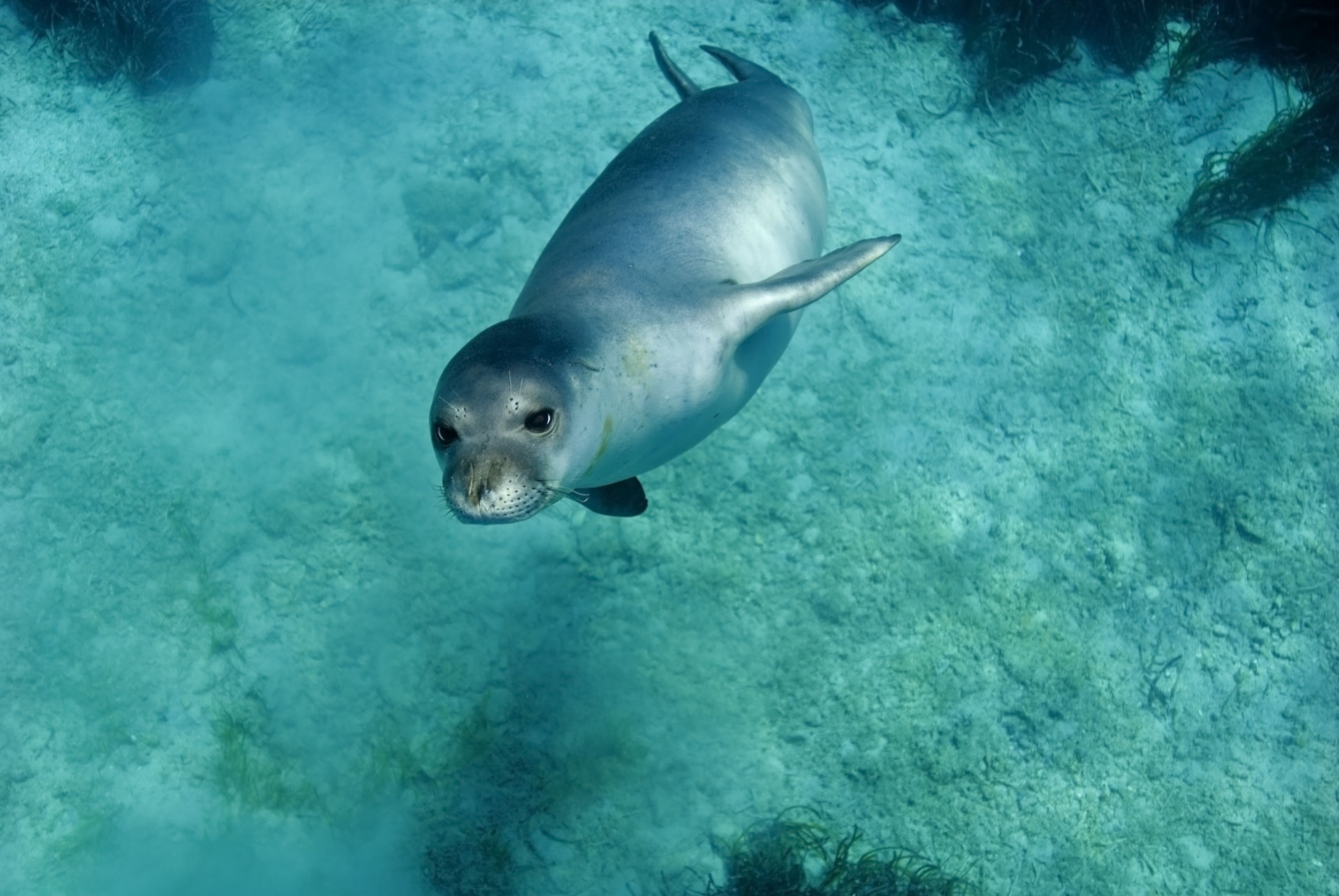
Responsible Sailing Tips – Explained
1. Keep Your Distance (≥30m)
-
Approaching too closely can scare seals or even cause them to flee, especially mothers with pups.
-
Use binoculars or cameras with zoom lenses to observe without disturbing.
-
Avoid kayaking or swimming into areas where seals are resting or hiding.
2. Anchor Wisely
-
Seagrass meadows (Posidonia oceanica) are critical habitats for marine biodiversity and are legally protected.
-
Anchoring on them causes irreversible damage.
-
Use marine maps, apps, or local advice to find safe anchorage zones, ideally sandy bottoms.
3. Minimize Noise
-
Loud boat engines, speakers, and even shouting near cliffs or caves can disturb not only seals but also birds and turtles.
-
Sound travels more powerfully underwater — keeping it down protects the entire ecosystem.
4. Stay Out of Sea Caves
-
Sea caves are natural nurseries for monk seals.
-
Entering them (by boat, kayak, or swimming) can frighten seals, causing mothers to abandon their pups or retreat from the area altogether.
-
In summer, these caves are essential for shade, rest, and reproduction.
5. Leave No Trace
-
Plastic and garbage in the sea kills thousands of animals yearly. Seals and turtles often ingest or become entangled in marine litter.
-
Always bring back your trash and consider cleaning up any you find.
6. Skip the Geo-Tags
-
Posting exact GPS or tagged locations of quiet bays or wildlife sightings can bring crowds, which ruins the habitat.
-
Instead, share general impressions without revealing precise spots. This is a growing issue in ecotourism.
7. Follow Local Rules
-
Many marine areas in Greece are Natura 2000 protected zones with specific regulations: speed limits, no-access zones, etc.
-
Disregarding signs can result in fines, but more importantly, causes lasting damage.
Where this matters in Greece:
-
Northern Sporades (home to Alonissos Marine Park – a sanctuary for monk seals)
-
Dodecanese & Cyclades (many sea caves and remote beaches)
-
Ionian Islands (rich biodiversity and breeding grounds for sea turtles as well)
Why it all matters:
Your actions as a sailor, tourist, or visitor can either protect or harm this fragile balance. Greece’s natural beauty is one of its greatest treasures — helping preserve it ensures wildlife survival, supports sustainable tourism, and honors the responsibility of every visitor.
Protect What Makes Greece Unique – Responsible Sailing Tips
-
Keep Your Distance (at least 30m): Never approach, follow, or feed monk seals or other wildlife. Use binoculars to observe from afar.
-
Anchor Wisely: Avoid seagrass beds and protected reefs. Drop anchor only on sandy bottoms or in designated areas.
-
Minimize Noise: Lower engine noise and avoid loud music, especially near shorelines and caves.
-
Stay Out of Sea Caves: Particularly during summer—these are often breeding sites for monk seals.
-
Leave No Trace: Do not dump waste or plastics into the sea.
-
Skip the Geo-Tags: Avoid sharing exact locations of secluded coves or seal sightings online.
-
Follow Local Rules: Respect speed limits, signs, and protected marine zones.