VHF
Using a VHF (Very High Frequency) radio on a sailing boat is an essential skill for communication, especially for safety, navigation, and coordination with marinas or other vessels. Here's a step-by-step guide on how to use it effectively:
1. Familiarize Yourself with the VHF Radio
-
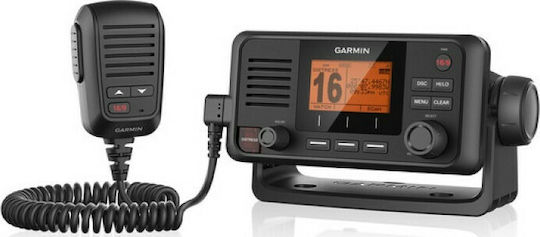
Know the buttons and functions: Modern VHF radios typically have buttons for power, volume, channel selection, and squelch (to reduce background noise).
-
Understand the display: The screen shows the selected channel and sometimes additional information such as signal strength.
2. Turn on the Radio
-
Power it on by pressing the designated power button.
-
Adjust the volume to a comfortable level, ensuring you can hear communications clearly.
3. Select the Right Channel
-
Channel 16 is the distress and emergency channel. It is used for calling for help and safety alerts. It's also the international distress frequency.
-
Channel 13 is often used for ship-to-ship communication in crowded ports and is a "working" channel.
-
Channel 68, 69, 71, 72: These are commonly used for non-emergency communication and are good for casual chats with nearby boats.
-
Consult your cruising area’s specific marine radio channels for better clarity on which ones to use.
4. Adjust the Squelch
-
Squelch is used to eliminate static and background noise. Adjust it until you hear only clear transmissions.
-
Be careful not to adjust it too high, or you may miss important communications.
5. Using the Microphone (Push-to-Talk)
-
When you're ready to transmit, press the Push-to-Talk (PTT) button on the microphone, and speak clearly into the mic.
-
Remember, communication is often brief and to the point. Avoid long-winded messages.
6. Proper Communication Protocol
-
Identify your vessel: Start by identifying your boat, using its name or call sign.
-
Example: “This is [Boat Name] on channel [XX].”
-
-
State the purpose of the call: Clearly state why you are calling.
-
Example: “This is [Boat Name], requesting permission to enter the harbor.”
-
-
Wait for a response: After your initial transmission, release the PTT button and listen for a reply. Be patient, as responses may take time depending on traffic.
-
Close the call: End the conversation by saying “Over” (if you expect a response) or “Out” (if you're done).
7. Emergency Calls
-
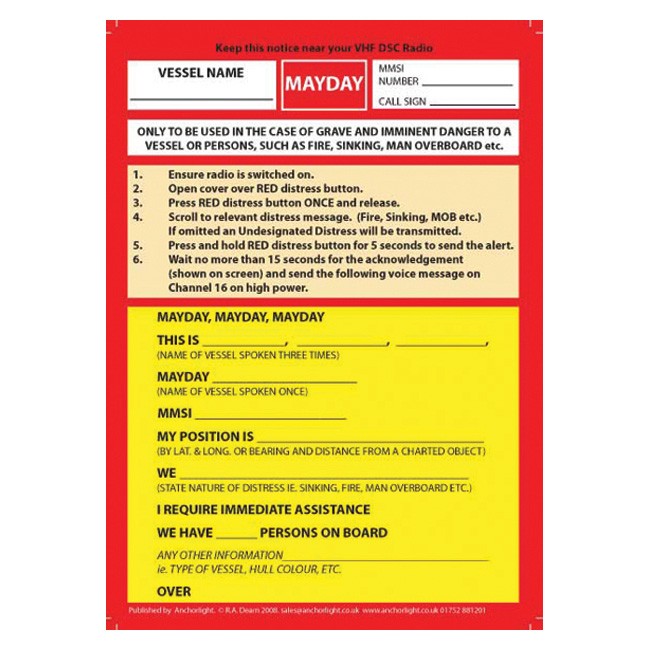
If you’re in distress, use Channel 16 and send a Mayday call.
-
The proper Mayday format is:
-
"Mayday, Mayday, Mayday" – Repeat three times to grab attention.
-
"This is [Your Boat Name] [Your Position]" – Clearly state your name and position.
-
"I am [nature of distress]" – Describe the emergency (e.g., sinking, fire, man overboard).
-
"Over" – Wait for a response.
-
-
If it's a less urgent situation, use Pan-Pan instead of Mayday, which is for non-life-threatening emergencies.
-
After making an emergency call, make sure to keep listening for a response.
8. Maintain Regular Radio Checks
-
Check in with marinas or other vessels as necessary, especially when navigating busy areas.
-
Many marinas or other vessels will require you to call ahead or confirm your approach. This ensures safety and awareness for all parties involved.
9. Know the Legal Regulations
-
VHF radios require a license to operate in many regions. Be sure you are compliant with your local maritime regulations, which may involve holding a proper license, especially for the use of DSC (Digital Selective Calling) or for commercial purposes.
-
Some countries also require boat owners to register their radio equipment.
10. Maintain Your VHF Radio
-
Regularly check the radio’s battery and ensure it’s fully charged before departure.
-
Ensure the antenna is in good condition to ensure optimal signal range.
-
Periodically test the radio and practice using it, especially in different communication situations.